News
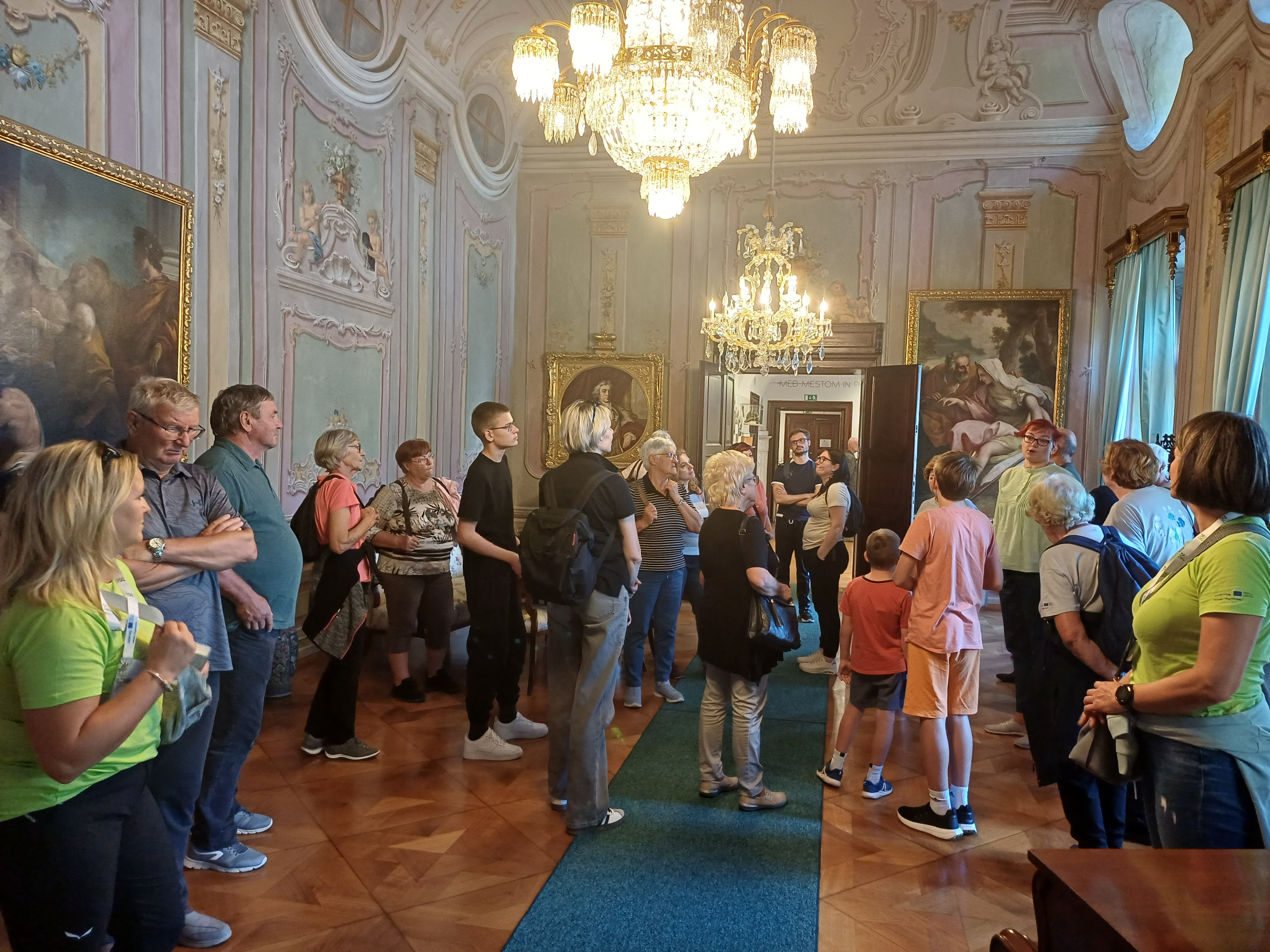
One Day, Two Countries, Joint Adventures – Interreg Cooperation Day 2026
Hévíz and Murska Sobota brought people, experiences and stories together across the border on 19 September 2026 as part of the successful Interreg Cooperation Day 2026, jointly organised by the Interreg Programme Slovenia–Hungary and the CROSSDEST project.
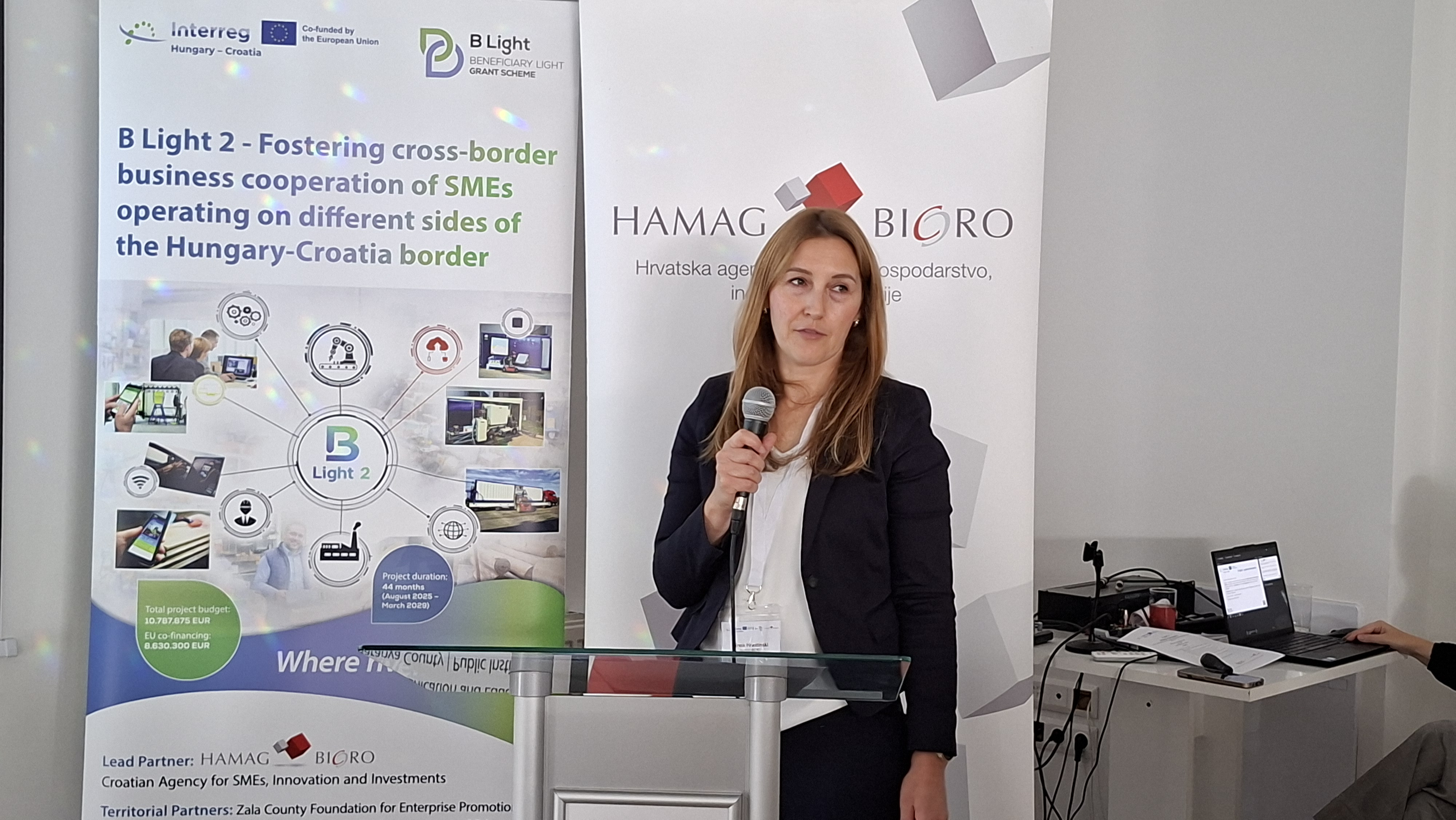
3.75 million EUR available to cross-border SME projects
The first Call for Light Project Proposals within the B Light 2 strategic project will be launched on 24 September 2026, making EUR 3.75 million available from the European Regional Development Fund (ERDF) to micro, small and medium-sized enterprises (SMEs) from Croatia and Hungary for the implementation of cross-border cooperation projects.

62 projects proposed for contracting under the 2nd Call for Proposals of the Interreg VI-A IPA Hungary–Serbia Programme
The results of the 2nd Call for Proposals of the Interreg VI-A IPA Hungary–Serbia Programme have been officially announced, with 62 projects proposed for contracting and more than EUR 16.87 million in IPA funding allocated to them.
The list of projects proposed for contracting was approved by the Monitoring Committee of the Programme at its 6th meeting, held on 6 August 2026 in Szeged, Hungary. Following the completion of the related procedures, the Programme is now able to officially publish the results.

ICDM Cycling Destination Management Model Completed
Several major cycling trails cross the Slovenia–Hungary border region, each with its own background and thematic focus. For visitors, however, these routes form part of a connected tourism experience. It is therefore important that information, services, trail conditions and communication are coordinated across the region. The developed model aims to strengthen this approach. Rather than establishing a new organisation, it provides a common operational framework for existing tourism organisations, municipalities, trail managers and service providers.
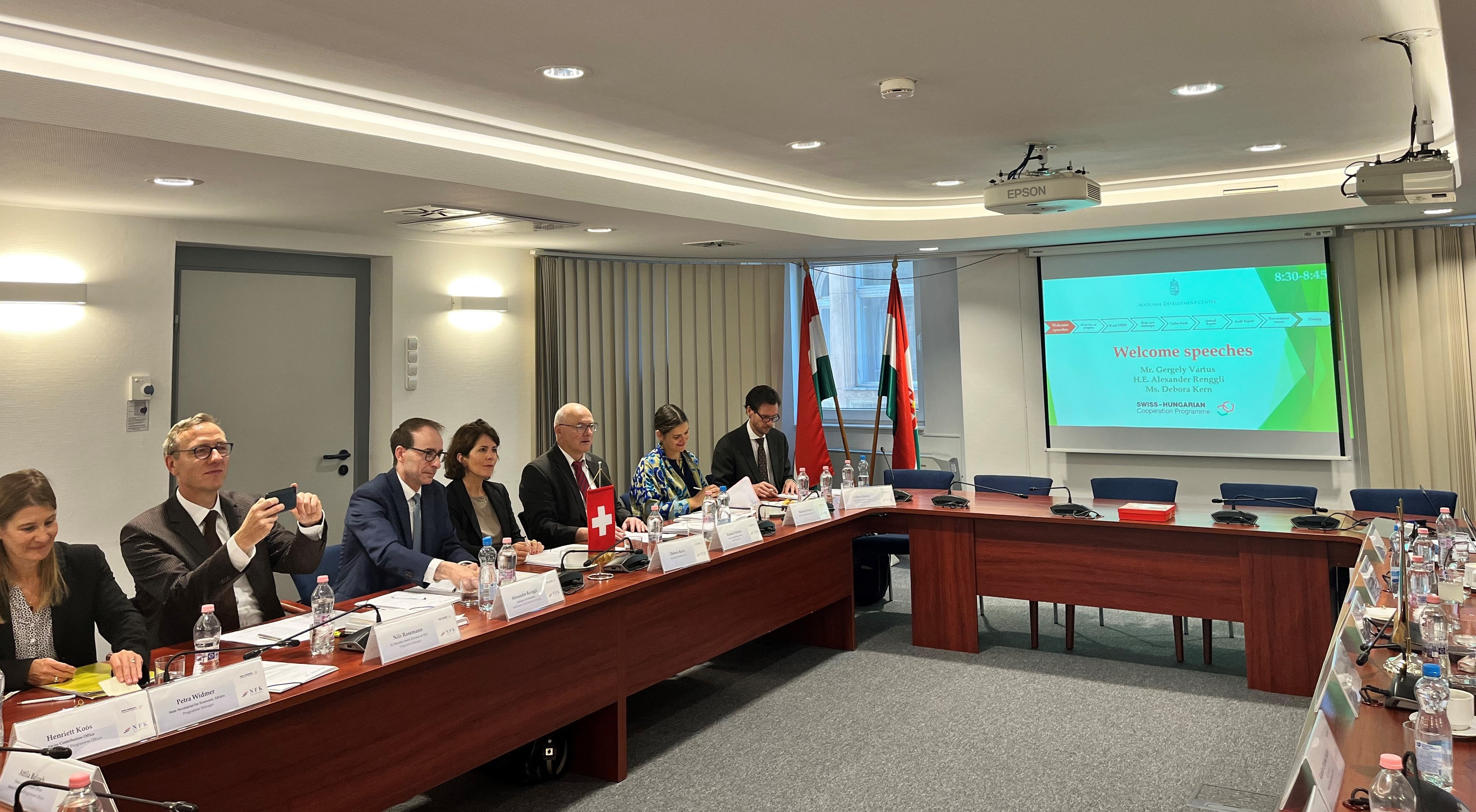
The Swiss Contribution Programmes in Hungary Concluded a Successful Year
The National Coordination Unit organizes the Annual Meeting each year with the participation of the Swiss Confederation. During this meeting, the Annual Report is reviewed, discussed, and formally approved. This year’s meeting was held on 9 June 2026, during which the Swiss side reviewed the progress of the programmes and approved the report summarizing the results achieved in 2025.

Reforms in the framework of Hungarian-Serbian Cross-border cooperation in the Histories of European Cooperation
Interreg VI-A Hungary-Serbia Programme is featured in the latest edition of Stories of European Cooperation. Federica Attianese, joined as an IVY Reporter for six months, contributed to share the progress and outcomes of the projects, aimed at fostering and encouraging the harmonious cross-border development of the region. She wrote an article about a project Telemedicine across the borders (CBC-TELMED). The project aims to improve healthcare quality and addresses the cross-national shortages of medical specialists. The goal is to utilize the already established telemedicine infrastructure at the University of Szeged (HU) and expand its reach to Senta Hospital (SRB) for the treatment of metabolic syndrome and ENT (ear, nose, and throat) problems.
The article is published by Interact Programme with the support of Association of European Border Regions - AEBR, this issue is dedicated to European reforms and showcases inspiring examples of cross-border cooperation making a real difference across Europe. The article explores how this initiative is transforming access to specialist healthcare along the Hungarian–Serbian border through telemedicine, helping to reduce barriers to healthcare services and strengthen cross-border collaboration.
Read the full issue and the article here: https://www.interact.eu/about-interact/our-service/library/stories-of-cooperation-2026-interreg-projects-reforming-the-territory?
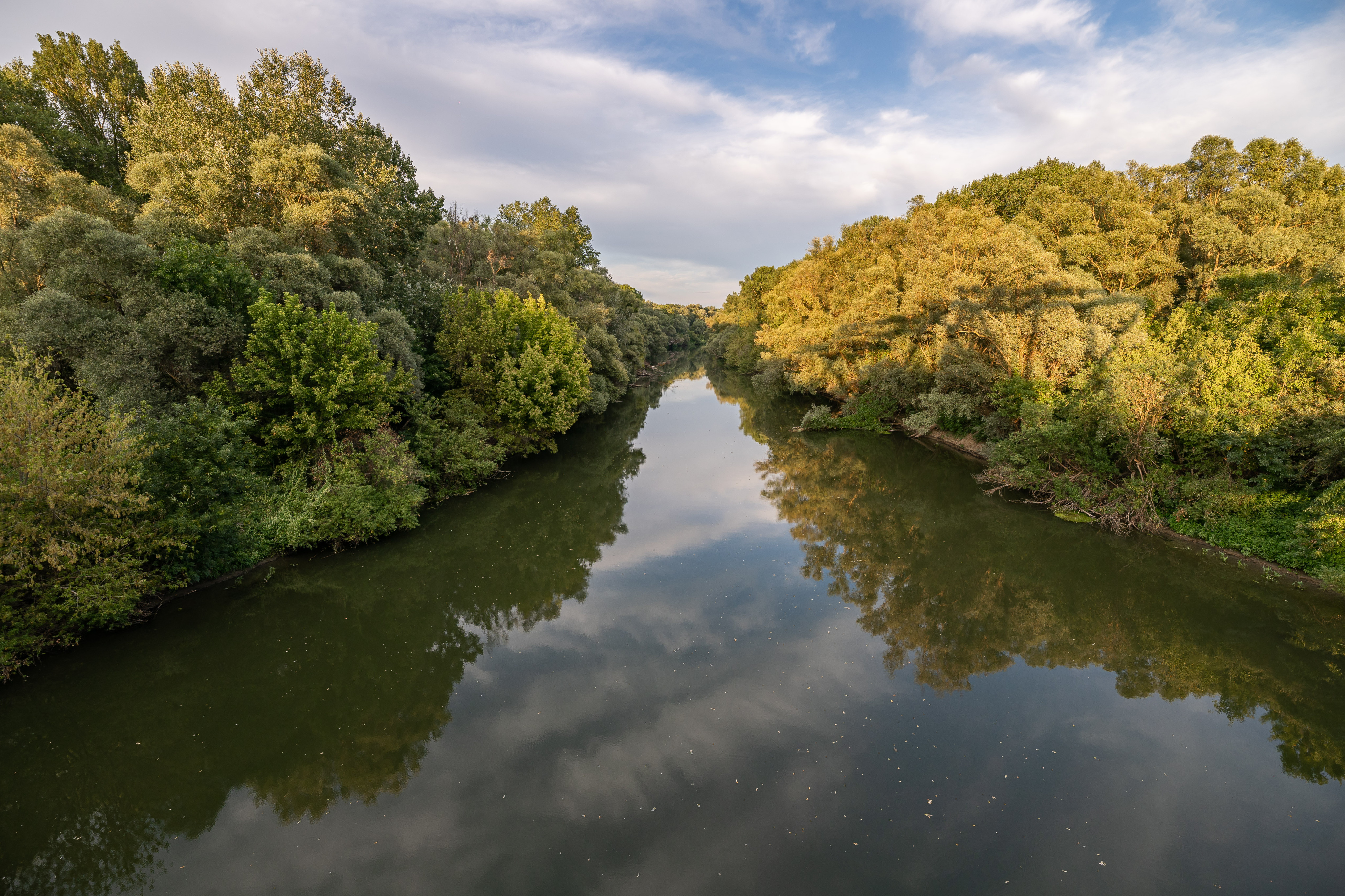
#3rivers – Treasure of Three Rivers
With the support of the Interreg VI-A Hungary–Slovakia Programme, a cross-border tourism development initiative is being launched in Bodrogköz. The action plan, #3rivers – Treasure of Three Rivers, which includes several projects, aims to develop the area embraced by the Bodrog, Tisza and Latorica rivers into a unified and clearly recognisable tourism destination, while giving new momentum to sustainable tourism in the region.
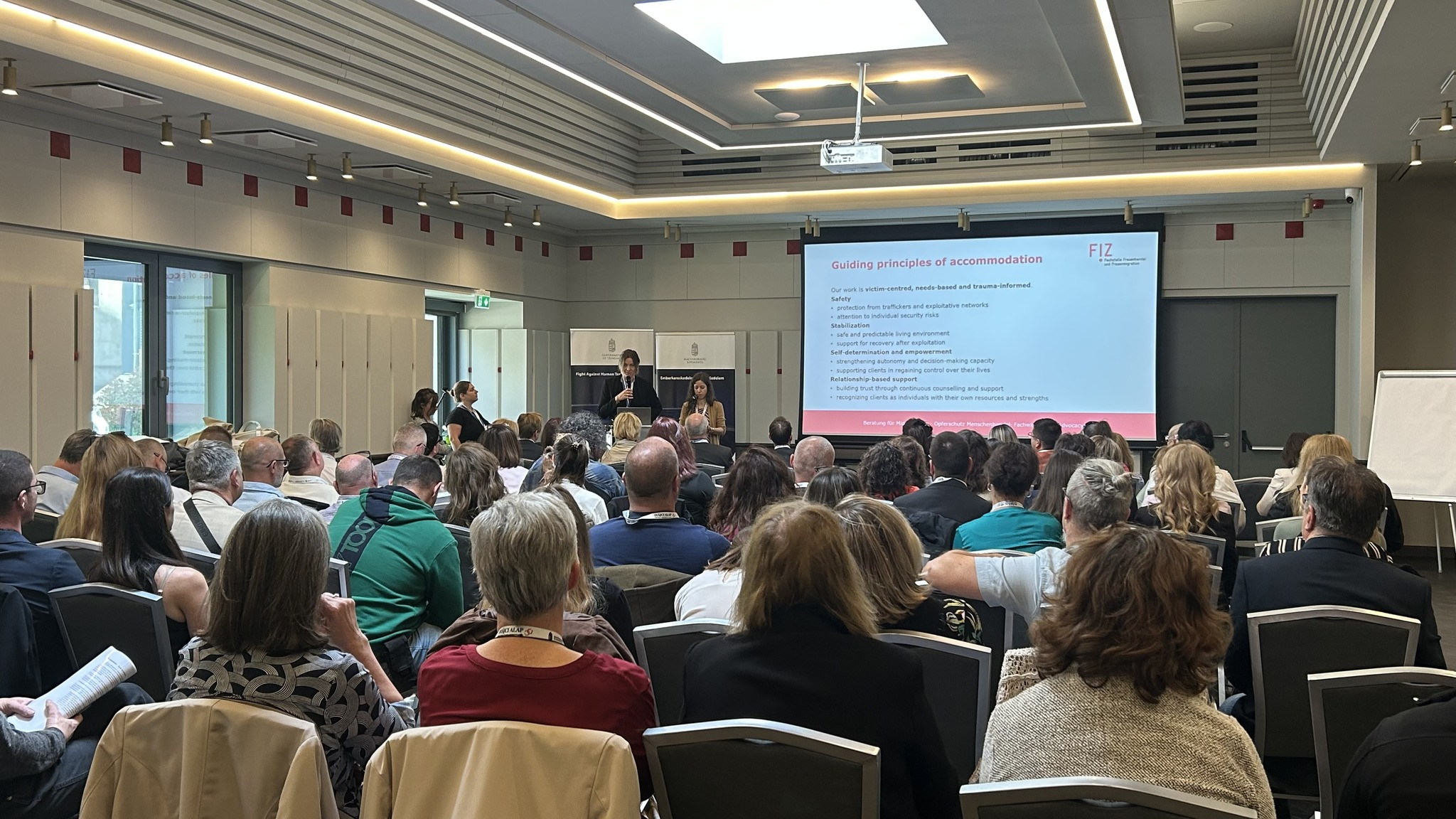
The “Fight Against Human Trafficking” Programme was introduced at a successful professional conference
For the Programme supported by the Swiss Contribution, we organized a professional conference on May 20, 2026. During the event, which drew nearly 100 participants, the professional content of each programme component was presented in the morning. In the afternoon, the attending experts were able to discuss the most pressing professional issues in panel discussions.
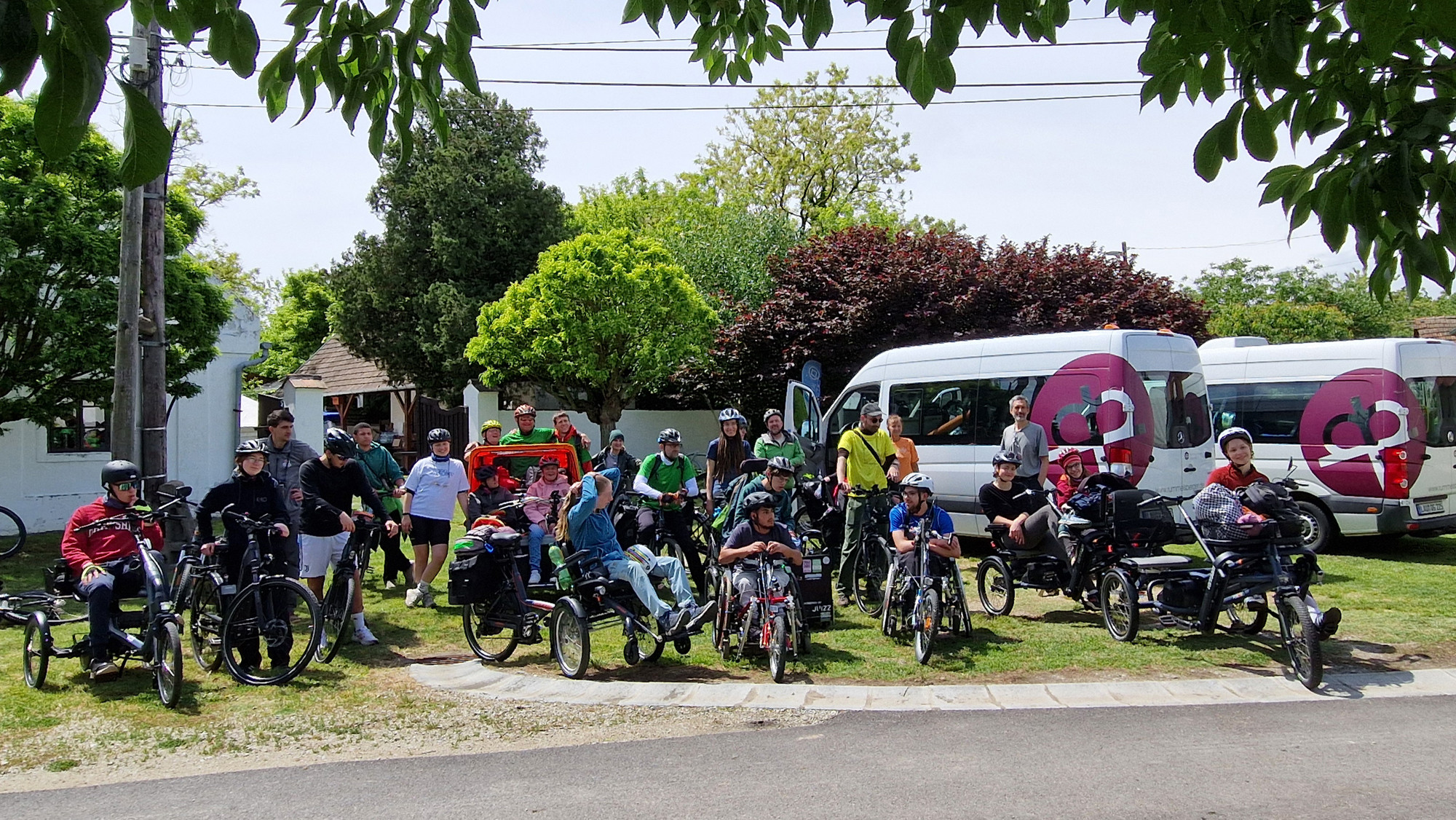
Tourism for all - B-FREE Destination
The B-FREE Destination, Interreg Austria-Hungary project aims to promote barrier-free tourism in the border region, including language barriers, by creating methodologies for the development of shared barrier-free tourism supply and demand, carrying out pilot activities, and raising awareness.

Final Funding Awarded, Contracting and Activities Kicking off
The Monitoring Committee of the Interreg VI-A Hungary-Croatia Programme has awarded just over 800 000,00 EUR to the third strategic project in Priority 3, aiming at improving the connectivity of the region. The project is tasked with preparing the documentation for the construction of a bridge over the Mura river and is a continuation of a previous strategic project with the same aim. The partnership led by the Hungarian Ministry of Construction and Transport will work on the preparation of the necessary documentation, including building documentation on the Hungarian side and the environmental assessment and the preliminary design on the Croatian side. The project is expected to end in 2029.
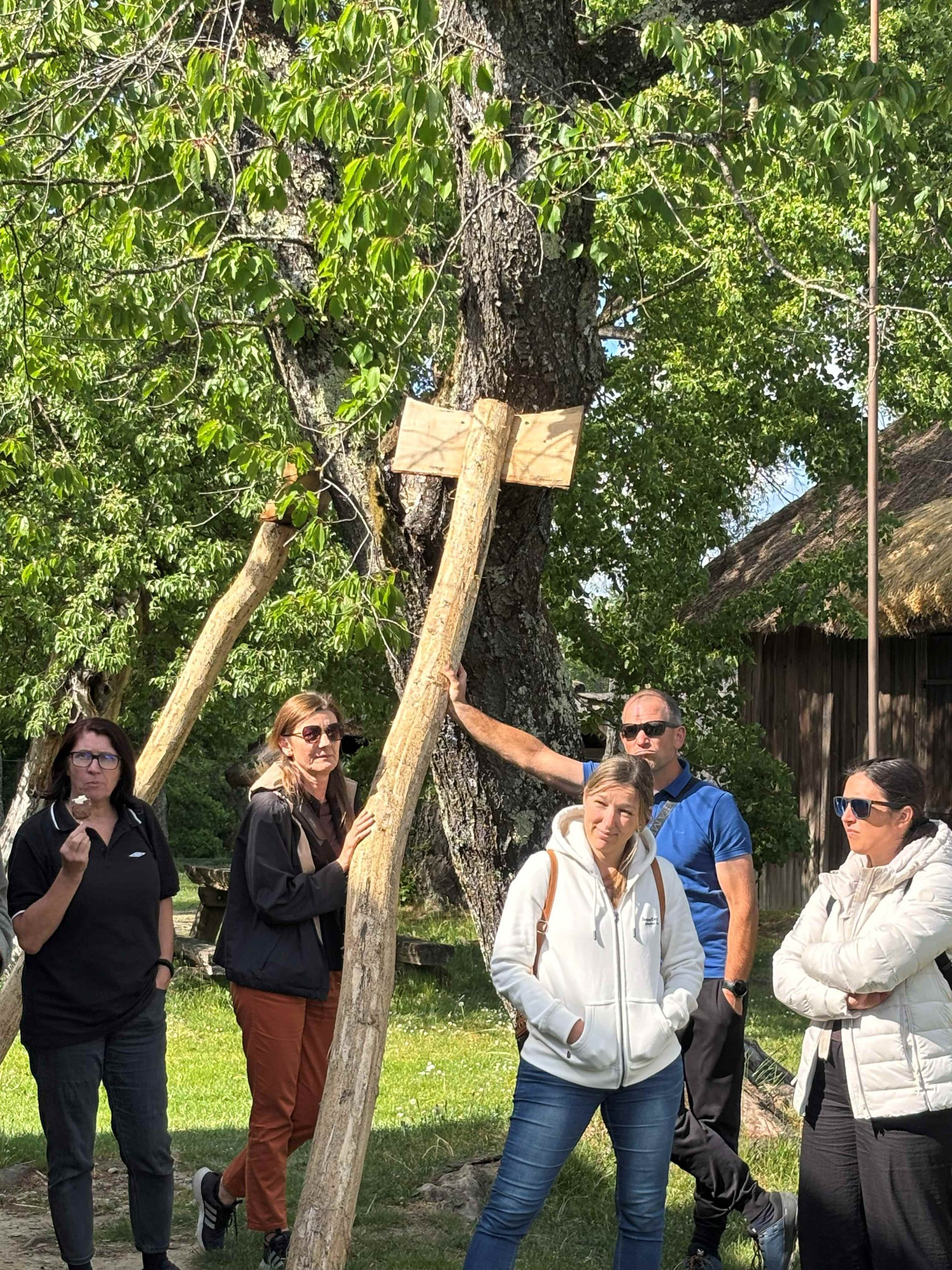
Light Pollution as a Shared Cross-Border Challenge
On Thursday, 7 May 2026, a professional study visit titled Climate and Cultural Aspects of Spatial Planning in the Municipality of Szombathely and the Őrség National Park took place in Hungary. The excursion was organised within the framework of the project Support for the Implementation of Spatial and Urban Policy and the URBACT programme, commissioned by the Ministry of Natural Resources and Spatial Planning and implemented by IPoP – Institute for Spatial Policies and the Association of Municipalities and Towns of Slovenia. The event was also held within the activities of the Climate Office, which provides support to municipalities and regions in adapting to climate change.
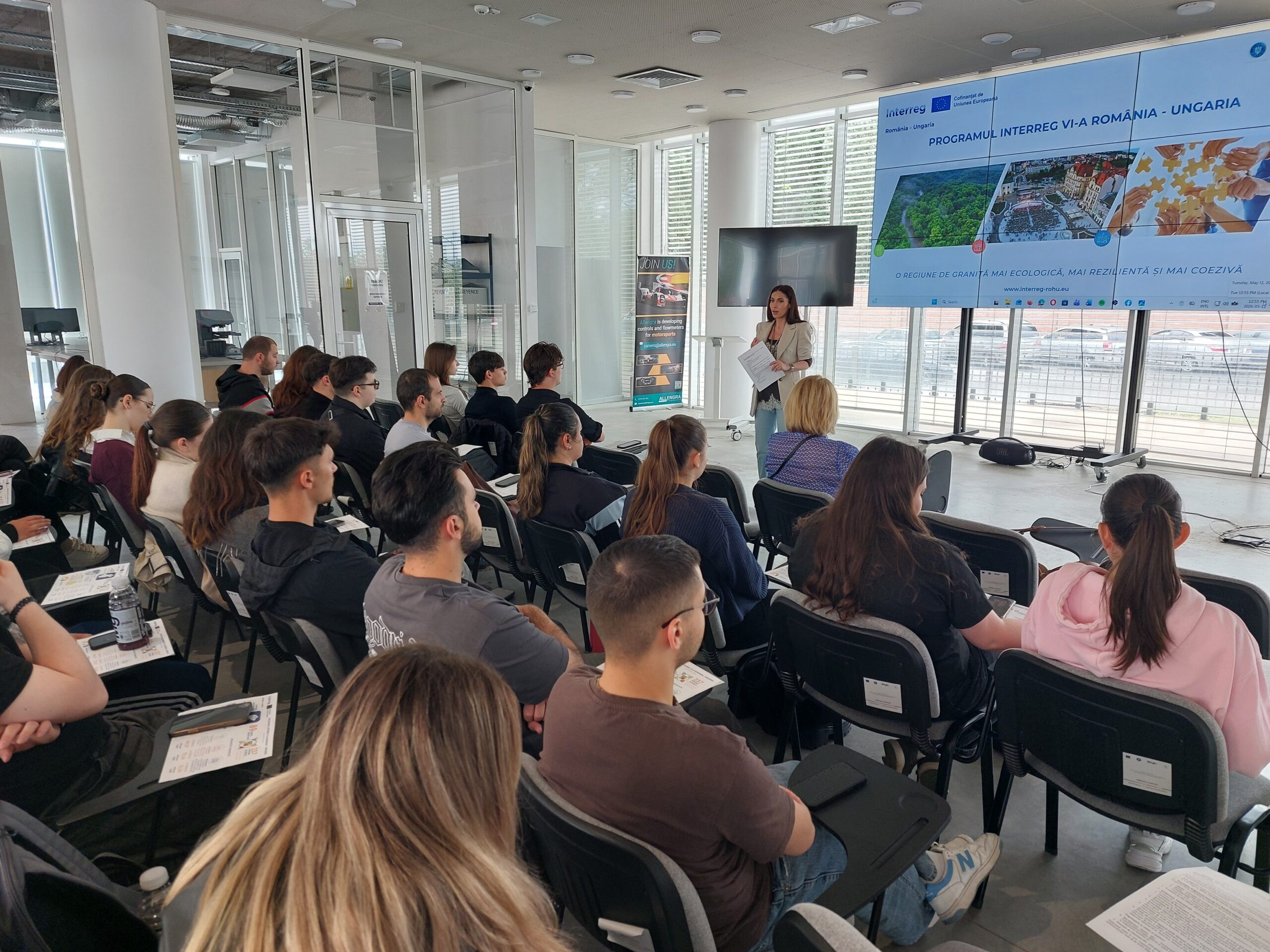
EUROPE DAY marked trough ideas, dialogue and teamwork at the University of Oradea
What does Europe mean to young people today?
Opportunities? Connection? The freedom to study, travel, cooperate and share ideas beyond borders?
These were some of the questions that brought students together on May 12th at the University of Oradea for an interactive workshop organised on the occasion of Europe Day by the Managing Authority of the Interreg Romania–Hungary Programme, together with the Joint Secretariat and the University of Oradea.
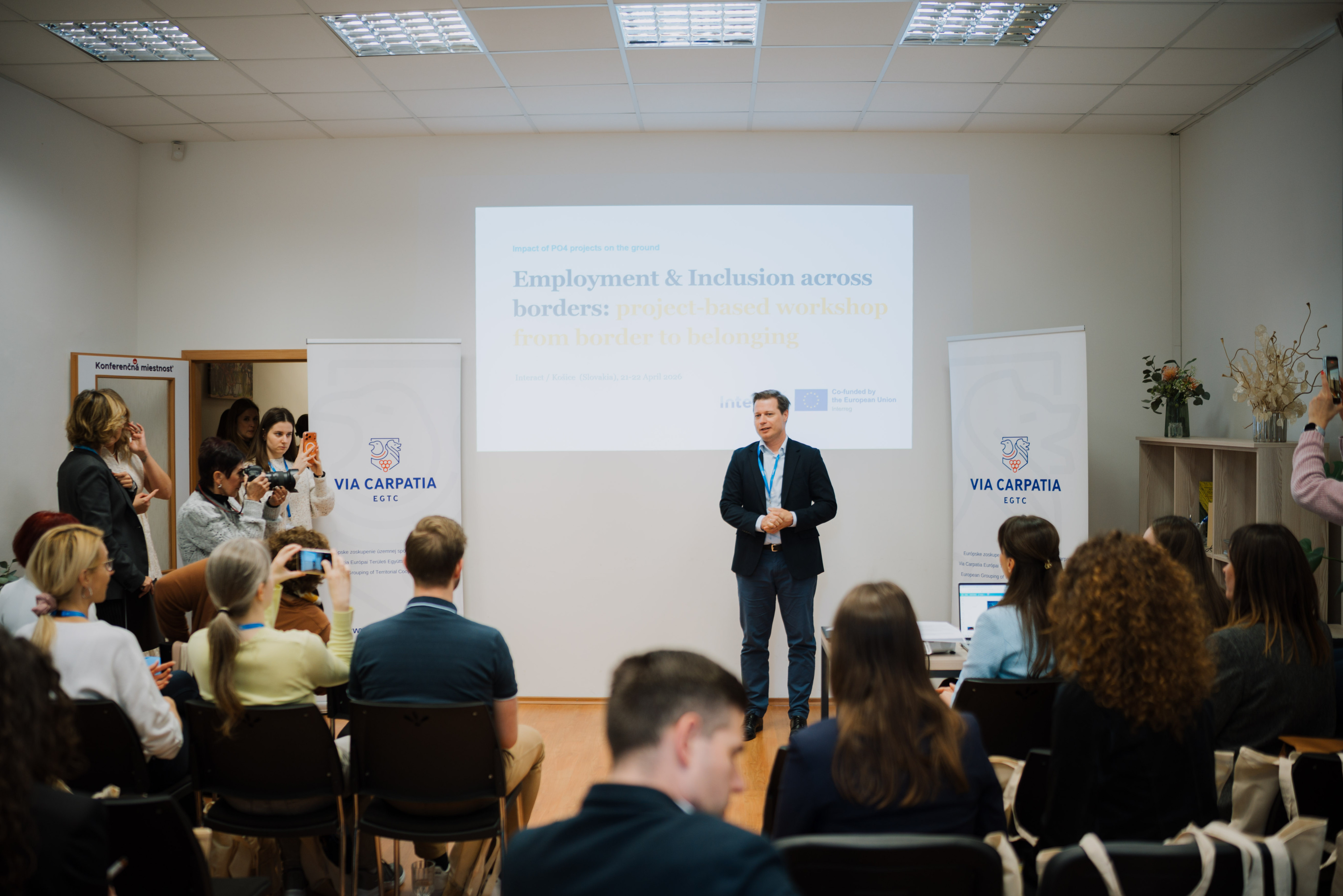
Jobs and local development: European experts toured the Slovak–Hungarian border region start-ing from Košice
On 21–22 April 2026, an international professional study visit started from Košice to showcase four projects implemented under the Interreg Slovakia–Hungary Pro-gramme during the 2014–2020 programming period. The programme was organised by Interact and brought together representatives of Managing Authorities and Na-tional Authorities from different Interreg programmes, staff members of Joint Secre-tariats, as well as an expert from the European Commission. The two-day visit includ-ed several locations on both sides of the border.
The event focused on practical results: job creation, local economic development and improving quality of life in border regions.
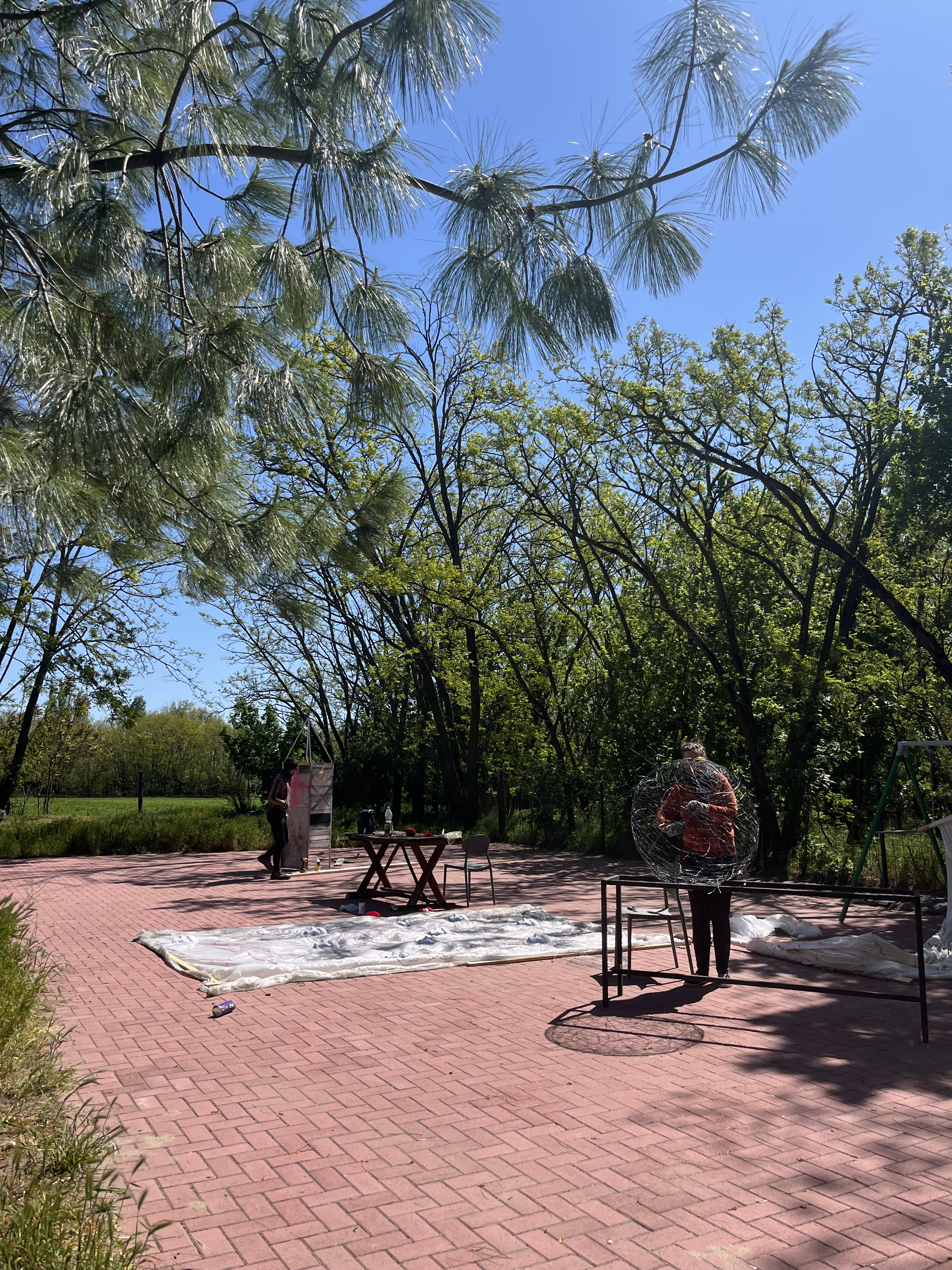
Art, Nature and “Non-Places”: Parks4All Festival Brings Cross-Border Creativity to Szeged
Within the Interreg VI-A Hungary Serbia Programme an artistic residency was organized, where the invited artists explored the theme “non-place” and reflected on relationships between people, spaces and environments trough contemporary artistic practices.
On April 30th, within the Opening Ceremony of the Parks4All Festival (Szeged, April 30th to May 2nd) the selected works are exhibited in Dugonics tér, Szeged.
The event was organized by Catholic Youth Foundation within the framework of Parks4All project, which aims to strengthen cross-border cultural cooperation, community engagement, and the promotion of shared regional values, by uniting diverse talents from Hungary and Serbia through innovative and inclusive educational, networking, and cultural events in public green spaces.
The festival followed the ecological and sustainable principles with an inclusive approach, tending to attract young people, but also families and elderly people. In the program beside the exhibition of contemporary artworks along green areas, the attendees could join movie screenings, various concerts, gastronomy try-outs and family activities.
Curious to discover reflections from the artists?:
https://www.linkedin.com/posts/interreg-6a-ipa-hungary-serbia_parks4all-interreg-husrb-activity-7457339869028216832-QiRr
The partnership inviting the public for project’s next event will be organized 5-7 June 2026 Goranski park in Bečej, Serbia for a Gastro fest and Art piknik.
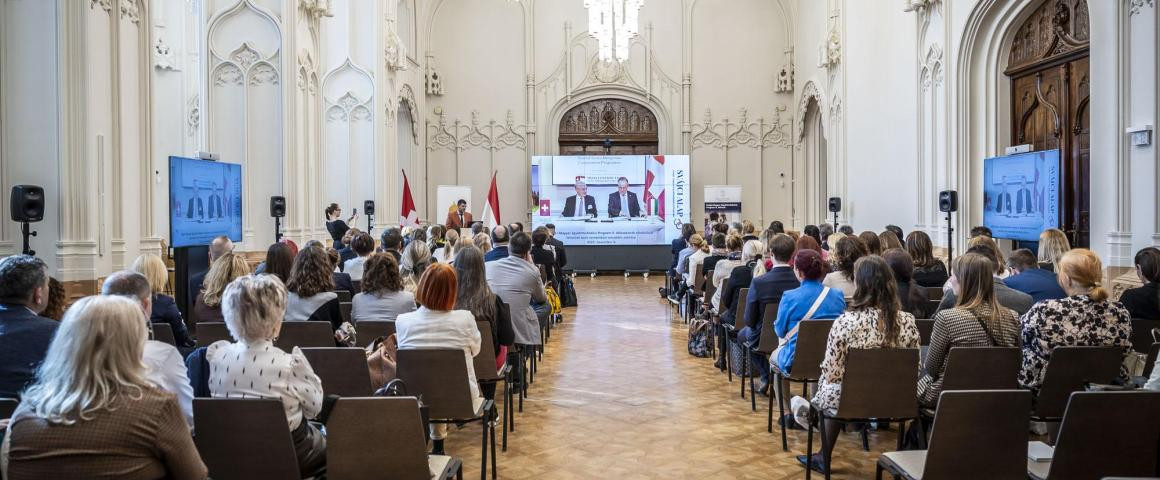
The Opening Event for the Hospice and Palliative Care Programme during Phase II of the Swiss Contribution took place
On 4 March 2026, the Opening Event for the “Hospice and Palliative Care Programme”, implemented during Phase II of the Swiss Contribution, took place at Ministry of Interior.
The aim of the programme is to develop the domestic hospice and palliative care system, to improve the standard of care and ensure equal access to care.
The hospice and palliative care programme is being implemented with 3.3 billion forints in Swiss funding and 580 million forints in national co-financing.